Trap
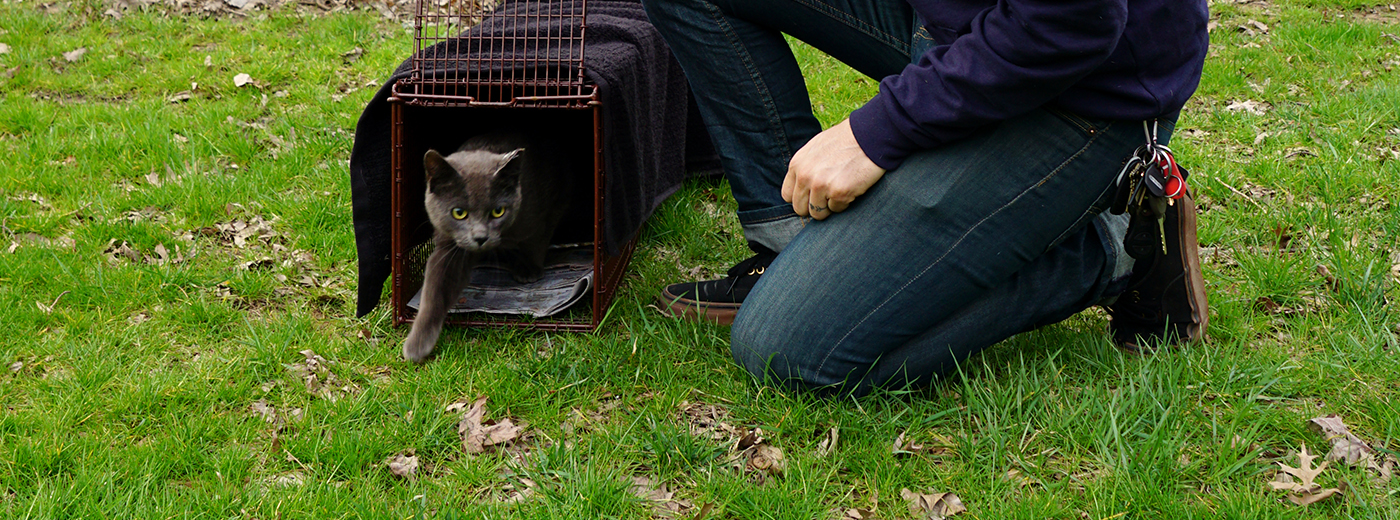
Community cats are safely captured using humane traps that are carefully placed and monitored by trained volunteers.

PDCT's Community Cat Program
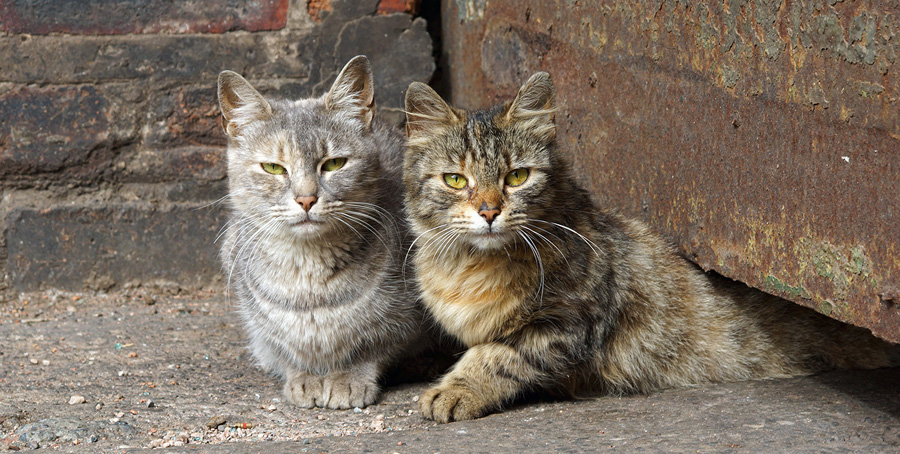
Project Snip & Tip is PDCT’s Trap–Neuter–Return program for stray and community cats.
Through TNR, cats are humanely trapped, taken to a veterinarian to be spayed or neutered and ear-tipped, given time to recover, and then returned to the familiar area they call home.
By preventing future litters, TNR helps reduce the number of homeless cats in our community while allowing cats who are not suited to indoor life to remain safely in their established territory.

The TNR Process
Trap–Neuter–Return is a humane and effective way to manage community cat populations.
Community cats are safely captured using humane traps that are carefully placed and monitored by trained volunteers.
A veterinarian spays or neuters each cat and tips the left ear while the cat is already under anesthesia.
After a safe recovery, the cat is returned to the familiar territory where it was found.
Breaking the Kitten Cycle
Without intervention, unaltered cats can contribute to many more kittens being born outdoors. Those kittens may face hunger, illness, injury and harsh weather while local rescues are already working at capacity.
PDCT assesses the location and creates a plan based on the cats, safety, veterinary appointments and volunteer availability.
Trained volunteers place and monitor humane traps, then safely transport the cats for veterinary care.
The cats are spayed or neutered, ear-tipped and monitored in a safe recovery space after surgery.
The cats return to familiar territory, where caregivers watch for new, injured or untipped cats.
For the safety of the cats, caregivers and volunteers, exact colony locations and trapping schedules are not shared publicly.
No Previous TNR Experience Required
Project Snip & Tip depends on volunteers. PDCT provides role-specific instructions and training so volunteers understand how to participate safely and responsibly.
Help prepare locations, set humane traps and monitor them until every trap is accounted for.
Safely transport cats between trapping locations, veterinary appointments, recovery spaces and return locations.
Provide a quiet, secure and temperature-controlled space where cats can safely recover after surgery.
Monitor established colonies, maintain dependable routines and report new, untipped or unwell cats.
Help with events, donation collection, public education, photography, administration or sharing accurate information about TNR.
You may volunteer occasionally, focus on one role or indicate that you are available when extra help is urgently needed. You are never required to accept an assignment.
Complete the Volunteer Form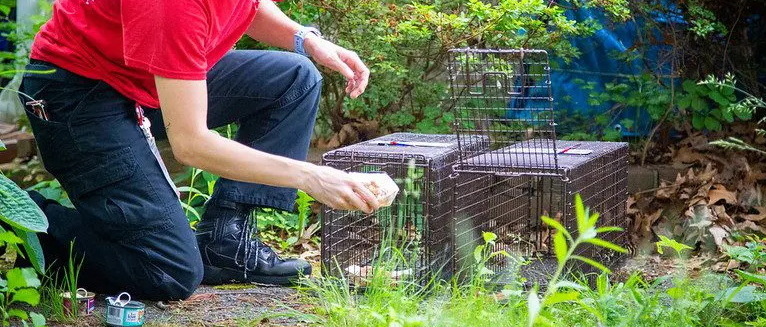
Every Contribution Helps
Hands-on TNR work is not the only way to support Project Snip & Tip.
Common Questions
Many community cats have had little or no positive contact with people and are not comfortable living as indoor pets.
Community cats are returned to the area they know, where they already have access to familiar food and shelter. Returning spayed or neutered cats also helps stabilize the colony and discourages new, unaltered cats from moving into the area and forming another colony.
Friendly cats and suitable kittens may be assessed for rescue or adoption when appropriate and when resources are available.
No. TNR prevents new litters and allows an existing population to decrease gradually over time.
The ear tip is performed by a veterinarian while the cat is already under anesthesia for its spay or neuter surgery.
Unless the cat appears sick, injured, trapped or in immediate danger, it generally does not need to be captured again.
Relocation requires careful planning, an appropriate new location, a committed caregiver and a structured acclimation period. Contact PDCT before attempting to move or release a community cat.
Owned cats are not part of the TNR program. Please have your cat spayed or neutered, microchipped and licensed, and keep them indoors or safely contained on your property. Medicine Hat’s Responsible Animal Ownership Bylaw requires owners to ensure their animals do not run at large. Keeping pet cats contained also prevents them from being mistaken for unowned community cats.
Humane trapping requires planning, monitoring, veterinary appointments, transportation, recovery arrangements and a confirmed return plan. Contact PDCT before trapping a community cat.
Help Us Continue This Work
Donations help cover surgeries, veterinary care, humane traps, transportation and recovery supplies.
Join the Snip & Tip Team
Previous TNR or animal-handling experience is not required. Tell us which roles interest you, when you are generally available and whether you have any experience that may be helpful.